Why Historic Homes in Toledo Demand Different Maintenance
If you own a Victorian or Tudor-style home in the West End or Westmoreland neighborhoods of Toledo, you already know that these houses are architectural treasures. Built between the 1890s and 1930s, they feature hand-crafted details, solid wood framing, and character that new construction simply cannot replicate. But that charm comes with a responsibility: these homes require maintenance strategies that differ significantly from modern houses.
Historic homes were built with materials and methods that made sense for their era. The wood used in old Victorian and Tudor construction is often old-growth timber, which is denser and more durable than what mills produce today. However, the protective coatings, ventilation systems, and moisture barriers we rely on now did not exist then. This means your home's wood is more vulnerable to the elements unless you stay ahead of maintenance. Water infiltration, seasonal wood movement, and natural aging all accelerate wear on exterior wood siding, trim, and structural components. Understanding these vulnerabilities is the first step toward protecting your investment.
The Real Threats to Wood in Old Homes: Rot, Moisture, and Time
The biggest enemy of wood in a historic home is moisture. Whether it comes from rain, snow melt, poor drainage, or high humidity, water finds its way into wood siding, window frames, and trim. Once moisture penetrates the surface, it creates the perfect environment for decay. This is where Wood Rot & Dry Rot Repair becomes essential. Dry rot, despite its name, actually requires moisture to develop. It occurs when wood loses its structural integrity due to fungal decay, often hidden inside walls or beneath paint. Wet rot is more obvious: it appears as soft, discolored wood on exterior surfaces.
Many homeowners in Toledo don't realize how quickly rot spreads once it starts. A small soft spot on a window sill can expand into structural damage within a year or two if left untreated. The wood loses its ability to support weight, resist weather, and hold fasteners. This is why honest assessment matters. Rather than cosmetic fixes that hide the problem, genuine historic home repair addresses the root cause: stopping moisture infiltration and removing compromised wood before it endangers the rest of the structure.
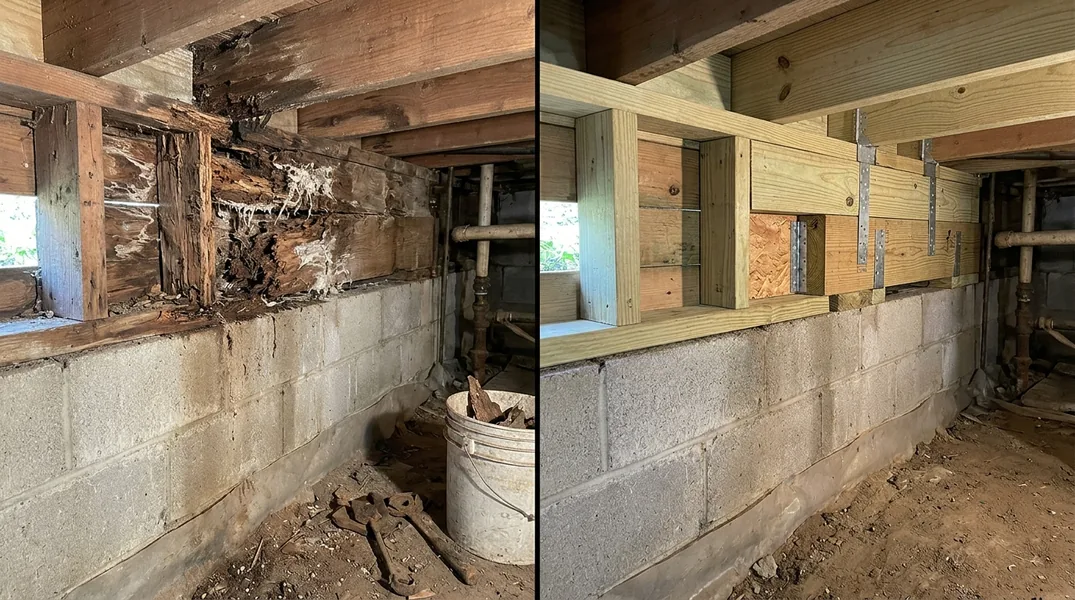
Beyond rot, older homes can also suffer from Termite Damage Repair issues, particularly in basements and crawl spaces where wood contacts soil. Termites leave galleries and tunnels that weaken structural members silently. Regular inspection is your best defense against all these threats.
Wood Siding Repair: Preserving the Historic Exterior
The exterior wood siding on a Victorian or Tudor home is both a protective barrier and a defining aesthetic element. Original siding on these homes was typically solid wood, often thicker and more weather-resistant than modern alternatives. However, it requires consistent care. Paint failure is one of the first warning signs that trouble is brewing. When paint bubbles, peels, or cracks, water begins to work its way behind it. Over time, this leads to soft wood, nail failure, and visible decay.
Proper wood siding repair involves more than a fresh coat of paint. It requires identifying which boards have deteriorated beyond cosmetic damage, carefully removing and replacing only the compromised sections, and ensuring that new wood matches the original profile and dimensions. This attention to detail is what separates authentic historic home repair from quick fixes. Many contractors will simply paint over damaged siding or install vinyl cladding that obscures the original character. At Toledo Carpentry, we believe in doing it right: removing bad wood, installing matching replacement boards, and finishing with proper paint systems that breathe with the wood and last longer than standard coatings.
Windows and door frames are particularly vulnerable areas. The joints where trim meets siding, the sills that collect water, and the corners of openings all need close inspection. Even small gaps allow water to penetrate. Caulking and repainting these details every 5 to 7 years is a simple but effective maintenance habit that prevents major repairs down the road.
Historic Home Maintenance in Toledo: A Year-Round Approach
Protecting a historic home is not a one-time project. It is an ongoing commitment. Spring is the ideal time to inspect your home after winter weather. Look for areas where snow melt has stained the siding, check that gutters and downspouts are clear and directing water away from the foundation, and examine all exterior wood for signs of new damage or paint failure. Summer is when you can safely address repairs, repaint exposed wood, and ensure that any previous work is holding up well.
Fall maintenance focuses on preparing for winter. Clean gutters thoroughly, trim back tree branches that hang over the roof, and inspect the roof itself for missing or damaged shingles. Check basement and crawl space areas for signs of water intrusion or pest activity. Winter is a good time for interior inspection and planning. Walk through your home and note any soft spots in floors, water stains on ceilings, or signs of settling. These observations help you prioritize spring repairs.
Many homeowners benefit from a professional inspection every 2 to 3 years. A skilled carpenter can spot problems that untrained eyes miss: wood that looks solid but is soft inside, hidden moisture damage, or structural issues developing in Floor Joist & Subfloor Repair areas. This preventive approach saves money and heartache by catching issues early.
When to Call a Professional: Wood Rot & Dry Rot Repair Near Me
Some maintenance tasks, like painting and caulking, are well within the reach of a dedicated homeowner. Others require professional expertise and equipment. If you notice soft wood, visible rot, significant paint failure, or water stains inside your home, it is time to call a professional. Attempting to repair structural wood damage without proper assessment can actually make the problem worse. You might cover up damage that continues to spread behind new materials, or you might remove wood that is still structurally sound and needs only surface treatment.
Toledo Carpentry specializes in the kind of detailed, honest repair work that historic homes need. We assess the full extent of damage, recommend the most appropriate repair strategy, and execute work that respects the original construction while using modern best practices for durability. Whether you need rot repair, siding replacement, or structural assessment, getting a free estimate is the best first step. Call us at (419) 574-6306 to discuss your home's specific needs. We serve Toledo and surrounding areas, and we understand the particular challenges of maintaining homes in this region's humid climate.
Wood Rot & Dry Rot Repair Cost in Toledo: What to Budget
The cost of repairing wood damage in a historic home varies widely depending on the extent of the problem, the location of the damage, and the materials involved. Small, localized repairs to a window sill or door frame might cost a few hundred dollars. Extensive siding replacement or structural repairs can run into thousands. The key is understanding that delaying repair almost always costs more in the long run. A small soft spot that costs $300 to fix today can become a $3,000 problem in two years if water continues to work into the wood and the damage spreads.
For accurate pricing on your specific situation, Toledo Carpentry recommends an in-person inspection. Different repair approaches have different costs. For example, we might be able to repair a rotted window sill by removing just the damaged section and gluing in a new piece of matching wood, or we might need to replace the entire frame depending on how far the decay has spread. Budget-conscious homeowners often ask about phasing repairs over time. This is sometimes possible, particularly if you prioritize areas that protect the rest of the home, like roof damage or foundation-level wood rot, before addressing less urgent cosmetic repairs.
Investing in prevention and early repair is the most cost-effective approach. Regular painting, caulking, gutter maintenance, and prompt attention to small problems add up to far less expense than waiting until structural damage develops. When you own a piece of Toledo's architectural heritage, that investment is also an investment in the character and value of your entire neighborhood.
Looking for a professional carpentry contractor in Toledo? Toledo Carpentry responds fast for all your carpentry needs.
Get a Free QuoteOur services: Wood Rot & Dry Rot Repair · Termite Damage Repair · Floor Joist & Subfloor Repair