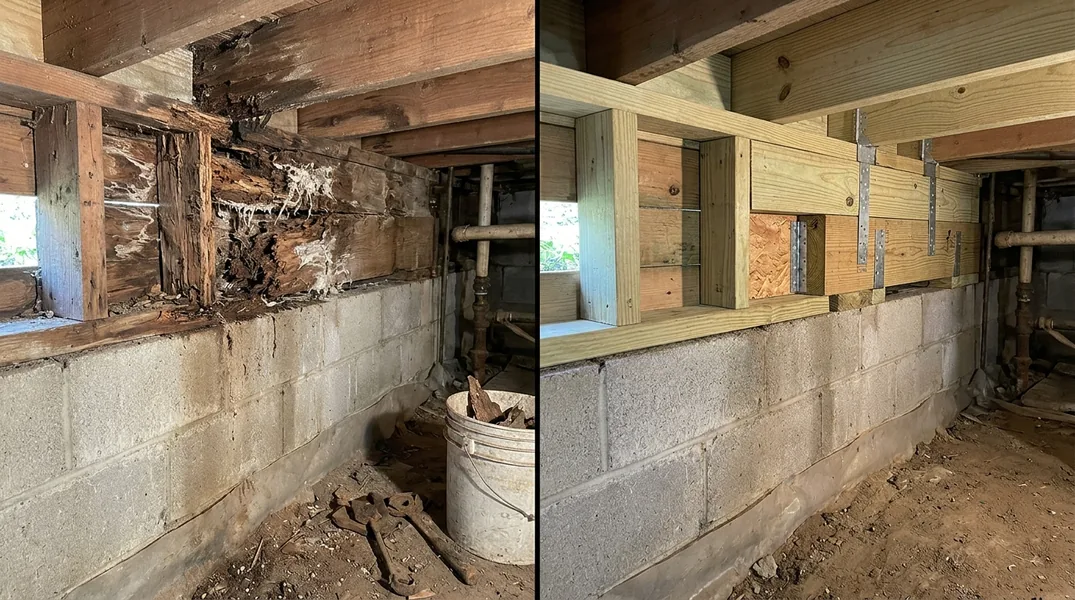
When Can You Repair Rotted Wood Without Replacing It?
One of the most common questions homeowners in Toledo ask is whether their rotted wood can be saved or if it needs to come out entirely. The answer depends on several factors, including the extent of the damage, the wood's structural role, and how long the rot has been present.
If rot is caught early and affects only the surface layer of wood, repair is often possible. Wood Rot & Dry Rot Repair specialists can remove the affected portion, treat the underlying cause (usually moisture), and restore the wood using epoxy fillers or sister boards. This approach works best when the damage is localized to less than 10-15 percent of the wood member's cross-section and the wood still retains its structural integrity. However, if rot has penetrated deep into the wood or compromised multiple areas, replacement becomes the safer and more cost-effective option.
The key to deciding between repair and replacement is having a professional assessment. Wood that looks solid on the surface may be hollow inside, and attempting a repair on severely compromised wood can create safety hazards down the road. This is why many homeowners in the area choose to have a carpenter evaluate the damage before making any decisions.
Understanding Termite Damage and When Repair Is Risky
Termite Damage Repair presents a unique challenge because termites don't just damage wood in one spot. They tunnel through wood, creating galleries and weakening it from the inside out. A board may appear structurally sound but could be riddled with hidden damage that makes it unsafe to repair.
When termites have infested wood, the decision to repair or replace depends on the severity and location of the damage. If the infestation is recent and limited to non-structural trim or fascia, repair may be viable after the termites are eliminated and the wood is treated. However, if termites have damaged structural elements like floor joists, beams, or load-bearing walls, replacement is almost always necessary. The cost of attempting a repair that fails is far greater than the cost of replacement, both financially and in terms of home safety.
One critical point: never attempt to repair termite damage without first addressing the infestation itself. Treating the wood without eliminating the termites is like putting a bandage on a wound that's still bleeding. Professional pest control and structural assessment must go hand in hand.
Replace Rotted Wood Siding: Signs It's Time for Full Replacement
Rotted siding is one of the most visible signs of wood damage, and it's a common problem in Toledo where moisture from rain and humidity can accelerate decay. While some siding damage can be repaired with localized patching, widespread rot usually signals the need for replacement.
If you notice soft spots when you press on your siding, dark discoloration, peeling paint, or gaps between boards, these are red flags. Rotted siding doesn't just look bad; it allows water to penetrate behind the boards and damage the sheathing and framing underneath. Replacing rotted wood siding is an investment, but it protects the structural integrity of your entire home. The longer you wait, the more expensive the repair becomes because rot spreads to deeper layers.
When replacing siding, it's important to address the underlying cause. Poor drainage, missing gutters, or clogged downspouts often contribute to siding rot. A professional carpenter will identify these issues and recommend solutions to prevent future rot. This holistic approach ensures your new siding lasts for decades rather than developing problems again in a few years.
Wood Rot & Dry Rot Repair Cost in Toledo: What to Budget
The wood rot repair cost varies widely depending on the extent of damage, the location of the rot, and whether repair or replacement is needed. For minor surface rot that can be repaired with epoxy and localized wood replacement, homeowners might expect to spend $300 to $1,500. More extensive repairs involving multiple areas or structural wood could range from $1,500 to $5,000 or more.
Full replacement of rotted sections, particularly siding or Floor Joist & Subfloor Repair, typically costs more than repair. Siding replacement might run $2,000 to $8,000 depending on the square footage and materials chosen. Structural repairs like Beam Replacement & Load-Bearing Wall Removal can be significantly more expensive because they require engineering, permits, and specialized labor.
The most important thing to understand is that delaying repairs always increases costs. Rot spreads, and what starts as a $500 repair can become a $5,000 replacement if ignored for a year or two. Getting a professional assessment and free estimate is the best way to understand your specific situation and budget accordingly. Toledo Carpentry offers transparent assessments so you know exactly what you're facing before any work begins.
Structural Concerns: When Repair Is Simply Not Safe
Some wood damage is too severe or too strategically located to repair safely. Wood that supports the weight of your home, such as floor joists, rim boards, and bearing beams, must be in excellent condition. Even a small compromise in these areas can lead to sagging floors, wall cracks, or in extreme cases, structural failure.
If rot affects more than 25 percent of a structural member's cross-section, repair should not be attempted. Similarly, if rot is found in multiple locations along a single beam or joist, the entire member should be replaced rather than patched. Attempting to repair severely compromised structural wood is a liability and a safety risk to anyone living in or visiting the home.
This is why professional evaluation is so important. A trained eye can determine whether wood damage is cosmetic or structural, and whether repair or replacement is the appropriate solution. If you're concerned about structural damage in your home, don't hesitate to call Toledo Carpentry at (419) 574-6306 for a professional assessment.
The Moisture Problem: Fixing the Root Cause, Not Just the Symptom
Whether you choose to repair or replace rotted wood, addressing the underlying moisture problem is absolutely essential. Wood rot doesn't happen spontaneously; it's always caused by prolonged moisture exposure. If you replace rotted wood without fixing the source of moisture, the new wood will rot too.
Common moisture sources include poor drainage around the foundation, leaking gutters, inadequate ventilation in crawl spaces, plumbing leaks, and roof damage. A comprehensive inspection should identify where water is coming from and how to stop it. This might involve installing gutters, improving grading, adding ventilation, sealing cracks, or repairing a roof. These preventive measures are investments that protect your home and extend the life of any repairs or replacements you make.
Many homeowners focus only on the visible damage and overlook the moisture source, only to face the same problem again. Professional carpenters understand this connection and will recommend both the repair or replacement and the moisture mitigation steps needed to ensure lasting results.
Looking for a professional carpentry contractor in Toledo? Toledo Carpentry responds fast for all your carpentry needs.
Get a Free QuoteOur services: Wood Rot & Dry Rot Repair · Termite Damage Repair · Floor Joist & Subfloor Repair