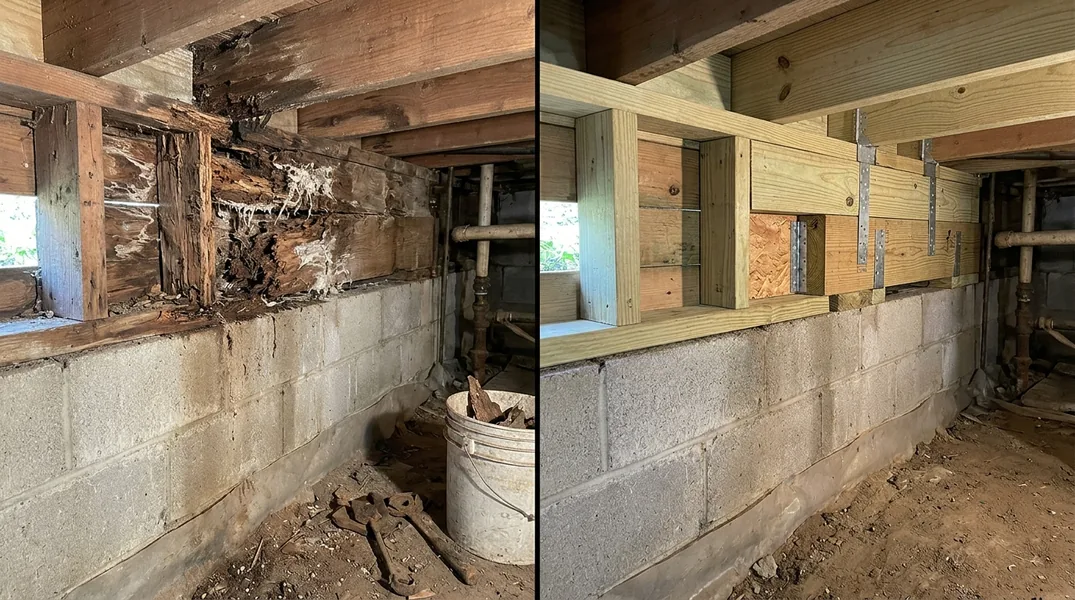
Why Toledo Is Ground Zero for Wood Rot
Toledo homeowners face a unique challenge that many other regions simply don't contend with: an exceptionally high risk of wood rot and structural decay. If you've noticed soft spots in your basement joists, discolored siding, or a musty smell in your crawl space, you're not alone. The combination of geographic location, climate, and soil composition makes Toledo and surrounding areas like Sylvania and Maumee particularly vulnerable to wood rot problems.
Understanding why your home is at risk is the first step toward prevention and timely repair. Wood rot doesn't just appear overnight, and it's rarely a cosmetic issue. When left untreated, it can compromise the structural integrity of your entire house, leading to expensive repairs and potential safety hazards. The good news is that recognizing the root causes can help you take action before damage becomes severe.
Lake Erie's Moisture: The Hidden Threat to Your Home
Living near Lake Erie comes with scenic beauty and moderate summers, but it also brings persistent moisture that most homeowners underestimate. Lake Erie is the shallowest of the Great Lakes, and its proximity to the Toledo area means that humid air regularly rolls inland, creating a damp environment that wood absolutely loves to rot in. This moisture doesn't just disappear when the sun comes out; it lingers in the soil, in the air, and inside your home's foundation and walls.
The problem intensifies because many older homes in the region were built with basements and crawl spaces that were never designed with modern moisture barriers in mind. When you combine Lake Erie's humidity with inadequate ventilation or aging waterproofing, you create the perfect breeding ground for wood-eating fungi. Even homes with newer construction can struggle if gutters are clogged, downspouts drain too close to the foundation, or grading slopes toward the house instead of away from it. Wood Rot & Dry Rot Repair specialists in Toledo see this moisture-related damage year-round, but it accelerates dramatically during spring thaw and after heavy rains.
Swamp Clay Soil and Drainage Problems
Beneath many Toledo properties lies a geological reality that few homeowners think about until problems arise: heavy clay soil with poor drainage characteristics. This soil type, often described as swamp clay, was deposited thousands of years ago when glaciers retreated from the region. Unlike sandy or loamy soils that allow water to percolate downward, clay soil acts almost like a sponge that absorbs water and holds it near the surface. When rain falls or snow melts, this water has nowhere to go, and it migrates toward your foundation.
The result is a consistently damp foundation and basement environment. Water doesn't need to actively flood your home to cause wood rot; even passive moisture that keeps wood at elevated humidity levels (above 20 percent) will eventually trigger fungal growth and decay. Clay soil also creates hydrostatic pressure against foundation walls, which can force moisture through concrete and into wood framing members. Homeowners in Perrysburg and surrounding communities often discover that Floor Joist & Subfloor Repair becomes necessary because the soil composition makes basement moisture nearly impossible to eliminate without professional intervention.
Freeze-Thaw Cycles and Structural Stress
Ohio winters bring another wood rot accelerant that deserves serious attention: repeated freeze-thaw cycles. When temperatures fluctuate around the freezing point, water in and around your foundation expands and contracts. This expansion creates immense pressure on concrete and wood, opening tiny cracks and gaps that become pathways for moisture infiltration. Over time, these cycles weaken the protective barriers that keep water out of your home's structural elements.
Freeze-thaw damage is particularly problematic because it works in tandem with the other factors we've discussed. A freeze-thaw cycle might crack your foundation or warp your rim board, and then Lake Erie's humidity keeps that damaged area perpetually moist. The wood never fully dries, fungal spores take hold, and before you know it, you're dealing with significant structural decay. Homeowners sometimes assume that winter's cold will kill wood rot fungi, but that's a dangerous misconception. Many wood rot fungi remain dormant in cold temperatures and resume active growth as soon as conditions warm up and moisture returns. This is why Wood Rot & Dry Rot Repair is such a common service need in the region.
Signs of Wood Rot Every Toledo Homeowner Should Know
Recognizing signs of wood rot early can save you thousands of dollars in repairs. The most obvious indicator is soft or spongy wood that yields easily to pressure from a screwdriver or awl. If you can push a tool into a joist, rim board, or structural beam and it sinks in like the wood is saturated, you've likely found active decay. Other visual clues include discoloration (wood may appear darker or have a grayish, bleached appearance), peeling paint, visible fungal growth or mycelium (which looks like white or gray fuzz), and wood that crumbles or breaks apart easily.
Don't overlook the sensory clues either. A musty, earthy smell in your basement or crawl space is a classic sign that wood rot and moisture problems are present. This odor comes from the fungal growth itself and indicates an environment where decay is actively occurring. Damp basement wood rot is so prevalent in Toledo that many homeowners have simply accepted it as normal, but it's absolutely not something to ignore. Structural issues can develop silently, and by the time you notice sagging floors or doors that won't close properly, the damage may be extensive. If you spot any of these warning signs, contacting a professional for a free estimate is the smartest move you can make.
Professional Wood Rot & Dry Rot Repair Near Me: When to Call a Pro
While some homeowners attempt DIY repairs for minor wood rot, the reality is that most wood rot problems in Toledo require professional assessment and intervention. A trained carpenter can determine whether you're dealing with surface-level decay that can be patched or whether structural members need partial or complete replacement. They can also identify the moisture source, which is absolutely critical. Fixing the wood without addressing why it got wet in the first place is like treating a symptom while ignoring the disease.
Toledo Carpentry specializes in comprehensive Wood Rot & Dry Rot Repair that goes beyond cosmetic fixes. Our team assesses the full scope of damage, recommends appropriate solutions (which might include Floor Joist & Subfloor Repair or even Beam Replacement & Load-Bearing Wall Removal in severe cases), and addresses underlying moisture problems. We understand the specific challenges that Toledo homeowners face, and we have the experience to handle everything from damp basements to freeze-thaw damage. If you're concerned about wood rot in your home, don't wait until the problem becomes catastrophic. Call us at (419) 574-6306 or reach out online for a free estimate today.
Looking for a professional carpentry contractor in Toledo? Toledo Carpentry responds fast for all your carpentry needs.
Get a Free QuoteOur services: Wood Rot & Dry Rot Repair · Termite Damage Repair · Floor Joist & Subfloor Repair